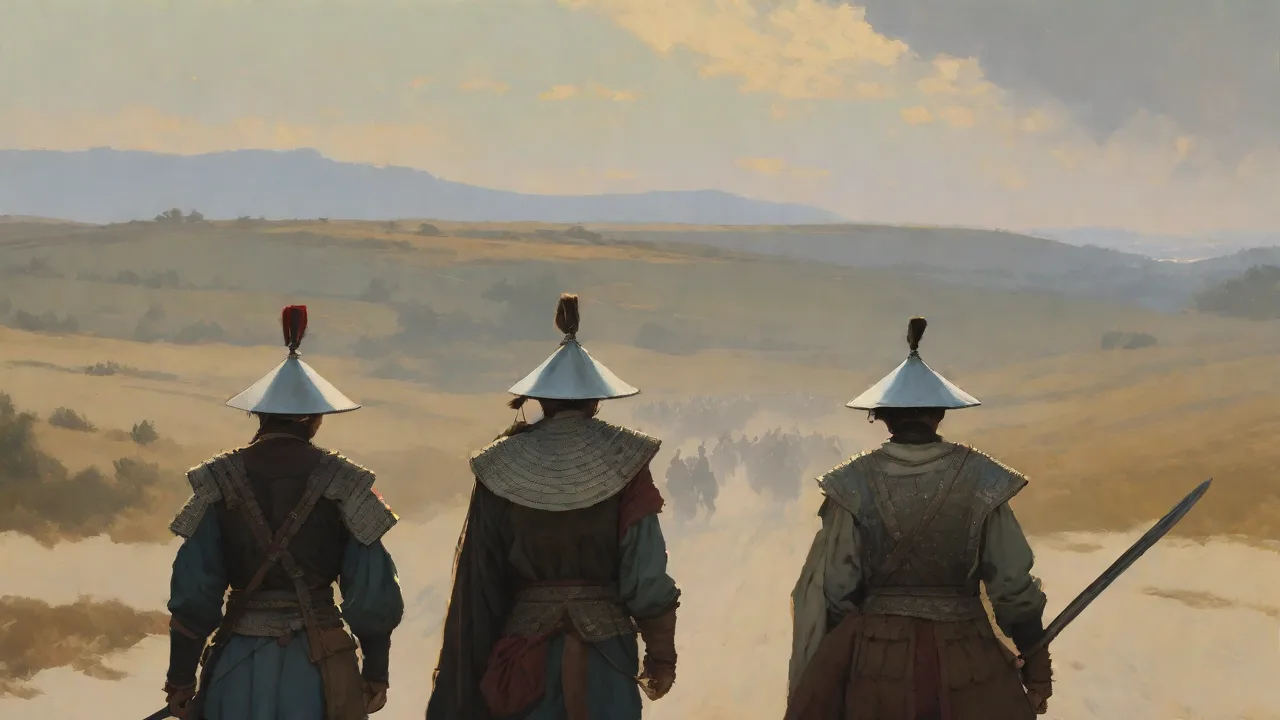
The Impact of Warrior Literature on National Identity and Cultural Pride
The Enduring Power of Warrior Narratives
Warrior literature has long served as a cornerstone of cultural expression, preserving the values, struggles, and triumphs of civilizations across the globe. These narratives—whether ancient epics, medieval sagas, or contemporary tales—do more than entertain; they forge a collective memory, instill a sense of belonging, and inspire pride in a shared heritage. By examining how warrior literature shapes national identity and cultural pride, we uncover the profound ways stories of heroism and sacrifice continue to resonate in modern society. This article explores the historical roots, national identity formations, cultural preservation mechanisms, and modern reinterpretations of warrior literature, while also addressing its complexities and potential pitfalls.
Historical Significance of Warrior Literature
Warrior literature emerges from the earliest recorded human experiences. The Iliad, attributed to Homer and dating to the 8th century BCE, recounts the wrath of Achilles and the Trojan War, embedding ideals of honor, glory, and martial excellence into the fabric of Greek culture. Similarly, the Mahabharata, an ancient Indian epic, weaves together dharma (duty), kinship, and cosmic justice through the struggles of the Kuru dynasty. These texts were not merely entertainment but served as foundational myths that explained the world, justified social hierarchies, and provided models for virtuous behavior.
In medieval Europe, warrior literature evolved into chivalric romances such as the Song of Roland and the Arthurian legends. These stories celebrated feudal loyalty, Christian faith, and the courage of knights, reinforcing the social order of the time. The Norse sagas, meanwhile, offered a different vision of warrior ethos—fatalistic, honor-bound, and deeply tied to clan and family. Each tradition used the warrior figure to embody the highest ideals of its culture: for the Greeks, arete (excellence); for the Indians, kshatriya dharma (warrior duty); for the Norse, drengskapr (honorable conduct).
The historical significance of these works extends beyond their original contexts. They have been revived and reinterpreted in periods of national awakening. For instance, during the 19th-century Romantic nationalist movements, scholars in Germany, Scandinavia, and Eastern Europe rediscovered medieval warrior sagas to construct a distinct national identity. The Kalevala, compiled by Elias Lönnrot in 1835, wove Finnish oral poetry into a national epic that inspired Finland’s independence movement. Similarly, Serbia’s epic poetry cycle about the Battle of Kosovo (1389) became a rallying cry for national pride during the Balkan Wars. Thus, warrior literature has consistently provided raw material for nation-building.
Further back, the ancient Mesopotamian Epic of Gilgamesh (circa 2100 BCE) explores themes of friendship, mortality, and the quest for fame—themes that resonate with later warrior traditions. While Gilgamesh is a king rather than a pure warrior, his heroic deeds and existential struggles set a template for warrior narratives across cultures. The poem's discovery in the 19th century also sparked nationalistic pride in the Middle East, as it affirmed the region's deep cultural roots.
Influence on National Identity
Warrior stories contribute to national identity by creating a shared narrative of origin, struggle, and destiny. They answer fundamental questions: Who are we? Where do we come from? What do we value? By highlighting the sacrifices of legendary heroes, these texts cultivate a collective memory that transcends individual experience. This influence often manifests through specific cultural traditions that blend history, myth, and national pride.
Japan and the Samurai Ethos
Perhaps no tradition exemplifies this more than Japan’s samurai literature. Works such as the Hagakure (1716) and the Book of Five Rings (1643) by Miyamoto Musashi codified bushidō—the way of the warrior. These texts emphasized loyalty, honor, and mastery of martial arts, shaping the identity of the samurai class and, by extension, Japanese culture. During the Meiji Restoration, the samurai spirit was repurposed to inspire a unified Japanese nation-state, and later, in World War II, it was mobilized for imperialist propaganda. Post-war, these same ideals have been transformed into symbols of discipline and perseverance in business, sports, and education. Today, samurai stories in films like Akira Kurosawa’s Seven Samurai (1954) and anime such as Rurouni Kenshin continue to define Japan’s cultural self-image. The recent success of the video game Ghost of Tsushima (2020) further demonstrates how samurai narratives remain a powerful force in shaping both domestic and international perceptions of Japanese identity.
Nordic Sagas and Scandinavian Identity
The Icelandic sagas, written in the 13th and 14th centuries, recount the lives of Viking-age settlers and warriors. Works like Njál’s Saga and Egil’s Saga depict a harsh world governed by honor, revenge, and law. For centuries, these sagas were a source of national pride for Iceland, which gained full independence from Denmark in 1944. In the broader Nordic region, the Viking revival of the 19th century used these stories to create a romanticized image of fierce, freedom-loving ancestors. Today, references to Norse mythology and Viking warriors permeate Scandinavian tourism, branding, and even political rhetoric, reinforcing a sense of regional identity distinct from continental Europe. The Netflix series The Last Kingdom and the Vikings television show have further globalized these narratives, introducing them to new audiences while also prompting debates about historical accuracy and cultural appropriation.
India’s Epic Traditions and National Unity
In India, the Ramayana and Mahabharata remain central to cultural identity for Hindus and have been adapted across Southeast Asia. The figure of Rama, a righteous warrior-king, is held up as a model of virtue, while the Bhagavad Gita, a philosophical dialogue within the Mahabharata, offers spiritual guidance on duty. During India’s independence movement, leaders like Mahatma Gandhi reinterpreted the Gita’s message of non-attachment to action as a call for nonviolent resistance. At the same time, nationalist writers used warrior heroes like Shivaji to inspire armed struggle against colonial rule. This dual legacy shows that warrior literature can be both a source of spiritual ethics and a catalyst for political mobilization. Modern Indian cinema, from the Baahubali franchise to the television series Ramayana, continues to draw on these epic warrior traditions, reinforcing a pan-Indian identity that transcends linguistic and regional differences.
Persia and the Shahnameh
Iran’s Shahnameh (“Book of Kings”), written by Ferdowsi around 1010 CE, is a monumental epic that chronicles the mythical and historical past of Persia from the creation of the world to the Arab conquest. It celebrates warrior-kings like Rostam, who embody courage, wisdom, and loyalty. The Shahnameh was instrumental in preserving Persian language and culture after the Islamic conquest, and it remains a cornerstone of Iranian national identity. Today, it is recited at cultural festivals, taught in schools, and referenced in political discourse to evoke pride in Iran’s pre-Islamic heritage. For the Iranian diaspora, the epic serves as a link to a homeland and a source of resilience in the face of displacement.
Cultural Pride and Preservation
Warrior literature is not static; it is actively preserved and adapted to maintain cultural continuity. Festivals, rituals, and educational curricula often incorporate these stories, ensuring they remain relevant to new generations. This preservation often involves a dynamic interplay between oral traditions, formal education, and popular culture.
Oral Traditions and Living Epics
In many societies, warrior epics are still performed orally. In Kyrgyzstan, the Epic of Manas—a cycle of poems about a legendary warrior uniting the Kyrgyz tribes—is recited by manaschi (performers) at national celebrations. The epic was inscribed on UNESCO’s Representative List of the Intangible Cultural Heritage of Humanity in 2013, highlighting its role in preserving Kyrgyz language, history, and values. Similarly, in West Africa, the Epic of Sundiata tells the story of the founder of the Mali Empire. Griots (oral historians) recount this warrior’s rise, instilling pride in Mande culture and teaching lessons of leadership and justice. These oral traditions are not mere relics; they are living, evolving narratives that adapt to contemporary contexts while maintaining core cultural values.
Education and National Curricula
Many countries integrate warrior literature into school curricula to foster patriotism and moral education. In South Korea, the Annals of the Joseon Dynasty and stories of Admiral Yi Sun-sin—who defeated Japanese naval invasions in the 16th century—are taught as examples of loyalty and strategic genius. In Iran, the Shahnameh remains a cornerstone of Persian identity, and the government promotes its study to reinforce national unity and cultural pride, especially in the face of external pressures. In the United States, the myth of the frontier warrior is often taught through stories of Davy Crockett and the Alamo, shaping an idealized American identity of rugged individualism and resistance against tyranny.
Festivals and Commemorations
Warrior literature also underpins public celebrations. The annual Jousting Tournament in Siena, Italy (the Palio), while secular today, echoes medieval chivalric contests. In Mexico, the Día de los Muertos often includes references to Aztec warrior gods and the heroic resistance of indigenous leaders like Cuauhtémoc. In the United States, the mythical image of the cowboy—a frontier warrior—persists in rodeos, films, and literature, shaping a romanticized American identity. In Japan, the Kendo martial art is directly descended from samurai swordsmanship, and its annual tournaments are infused with references to the warrior ethos. These events keep the spirit of warrior literature alive, transforming ancient tales into living traditions that reinforce community bonds and national identity.
Gender and Warrior Narratives
Traditional warrior literature has often been male-dominated, but women have also played significant roles, both as characters and as creators. The Greek myth of the Amazons, the Chinese story of Hua Mulan, and the Indian epic of the warrior queen Rani Lakshmibai all challenge gender norms while reinforcing national pride. In recent years, feminist reinterpretations have brought these female warriors to the foreground. For example, the 2020 Disney film Mulan (though controversial for its cultural accuracy) brought the story to a global audience, sparking discussions about gender and patriotism. Similarly, the graphic novel The Adventures of Tintin includes the fiery character of the Ethiopian warrior queen, though often overlooked. Modern literature, such as N.K. Jemisin's The Hundred Thousand Kingdoms, reimagines warrior traditions through a feminist lens, offering new models of heroism that include resilience, diplomacy, and community-building alongside martial prowess.
Modern Examples and Continuing Impact
Warrior literature has found new life in contemporary media, from blockbuster films to video games. These adaptations often reinterpret historical or legendary figures for modern audiences, amplifying their impact on identity and pride. The digital age has also democratized access to these narratives, allowing diaspora communities and global audiences to engage with stories that might otherwise be confined to specific regions.
Film and Television
Hollywood epics like 300 (2006), based on Frank Miller’s graphic novel, retell the Battle of Thermopylae, emphasizing Spartan bravery against overwhelming odds. While historically inaccurate, the film became a global phenomenon, sparking debates about Western values and resistance to tyranny. In India, the Bollywood film Baahubali (2015) draws on epic conventions to create a pan-Indian warrior narrative that was celebrated for reviving pride in Indian mythology and craftsmanship. In East Asia, films like The Last Samurai (2003) and Hero (2002) explore the clash between traditional warrior codes and modernization, resonating with audiences grappling with rapid social change. The Chinese film Shadow (2018) reimagines the warring states period with a focus on strategy and sacrifice, while the Korean drama Kingdom blends zombie horror with Joseon-era warrior politics, demonstrating the genre's versatility.
Video Games and Interactive Storytelling
Video games have become a powerful medium for warrior literature. Series such as Assassin’s Creed allow players to inhabit historical warrior roles, from the Crusades to the Italian Renaissance, fostering engagement with historical contexts. Ghost of Tsushima (2020) immerses players in the Mongol invasion of Japan, centering on a samurai’s struggle to protect his homeland. The game was praised for its accurate portrayal of Japanese culture and inspired renewed interest in samurai history. Similarly, the Total War series and Age of Empires incorporate warrior narratives from various civilizations, enabling players to experience the strategies and values of ancient armies. Indie games like Blasphemous draw on Spanish medieval warrior iconography, while Hellblade: Senua’s Sacrifice uses Norse mythology to explore mental health and identity through a warrior's journey.
Literature and Graphic Novels
Modern novels continue to explore warrior themes. J.R.R. Tolkien’s The Lord of the Rings, while fantasy, draws heavily on Norse and Anglo-Saxon warrior ethos, influencing generations of readers. More recently, African American authors have reimagined warrior literature: Tomi Adeyemi’s Children of Blood and Bone (2018) adapts West African mythology to tell a story of resistance against oppression, fostering cultural pride among diaspora communities. Graphic novels like Maus (1986) and Persepolis (2000) use warrior motifs subtly to explore survival and identity in times of war. The Conan the Barbarian comics, while often dismissed as pulp, have influenced fantasy warrior archetypes across media, while manga like Vagabond and Berserk offer nuanced portrayals of the warrior's path, touching on themes of honor, trauma, and redemption.
Critical Perspectives and Nuance
While warrior literature often inspires pride, it also carries risks. Glorification of violence, jingoism, and exclusionary nationalism can arise when these stories are weaponized by political movements. For example, European colonial powers used chivalric narratives to justify imperialism, framing conquest as a civilizing mission. In the 20th century, Nazi Germany co-opted Norse mythology to promote Aryan supremacy, a distortion that still haunts modern Scandinavian identity. Similar misuses occurred in Japan, where the samurai ethos was twisted to support militarism and expansionism during the 1930s and 1940s. In India, the epic figure of Rama has been deployed by Hindu nationalist movements to marginalize minority communities, sparking debates about the selective interpretation of warrior literature.
Scholars caution against uncritical celebration. Literary critic Michael Ignatieff has argued that narratives of warrior honor can fuel ethnic conflict when communities feel threatened. Similarly, postcolonial theorists like Homi Bhabha examine how colonized peoples adopt warrior identities as a form of resistance, yet also risk replicating the same hierarchies they oppose. Understanding these complexities is essential for using warrior literature responsibly in national identity formation. Additionally, feminist critiques have pointed out that warrior narratives often marginalize women's experiences and perspectives, reinforcing patriarchal structures. Scholars like Catherine Belsey have called for a critical reading of these texts that acknowledges both their cultural value and their limitations.
Nevertheless, the value of warrior literature lies in its ability to inspire self-reflection. When a nation reads its own epics critically, it can acknowledge both heroism and flaws. This balanced approach allows warrior stories to foster pride without descending into arrogance, and to unite without excluding. For instance, modern reinterpretations of the Iliad often emphasize the tragic cost of war alongside the glory, offering a more nuanced understanding of heroism. Similarly, contemporary samurai films increasingly focus on the internal struggles of warriors, highlighting the psychological toll of violence rather than its glorification. This critical engagement ensures that warrior literature remains relevant and constructive in a globalized world.
Conclusions
Warrior literature remains a dynamic force in shaping national identity and cultural pride. From the battlefields of ancient Troy to the digital arenas of contemporary gaming, these stories connect individuals to a larger heritage, affirming shared values and collective resilience. They preserve history, teach moral lessons, and provide a sense of continuity in a world of rapid change. As societies evolve, the challenge is to embrace the best of these traditions—courage, loyalty, sacrifice—while rejecting their potential for division. In doing so, nations can draw upon the power of warrior literature to inspire not only pride in the past but hope for the future. The ongoing adaptation of these narratives in film, games, and literature demonstrates that warrior literature is not a relic but a living, evolving tradition that will continue to shape how we understand ourselves and our communities for generations to come.